
Common Materials Used in Masonry Installation Projects
People seeking masonry installation often want durable materials like brick, stone, or concrete, and local contractors can help select and expertly install these common materials.
Understanding the common materials used in masonry installation projects can help property owners make informed decisions about their upcoming improvements. Whether planning to build a new retaining wall, repair a crumbling chimney, or enhance the aesthetic appeal of a façade, knowing the types of materials involved provides a clearer picture of what the project entails. Local contractors specializing in masonry can offer guidance on the best options suited to specific property needs, ensuring that the work not only looks great but also stands the test of time.
Property owners in the area might explore this topic to better understand the durability, maintenance, and overall appearance of their masonry features. Different materials, such as brick, stone, or concrete blocks, each bring unique qualities to a project, influencing everything from structural integrity to visual style. Connecting with experienced local service providers can help clarify which materials are most appropriate for particular applications, making it easier to plan and execute masonry projects that meet both aesthetic and functional goals.
- Brick Masonry - homeowners may need brick masonry services for building or repairing walls and facades, with local contractors skilled in handling traditional clay bricks.
- Concrete Block Masonry - this material is often used for foundation walls and structural partitions, with service providers experienced in stacking and securing concrete blocks.
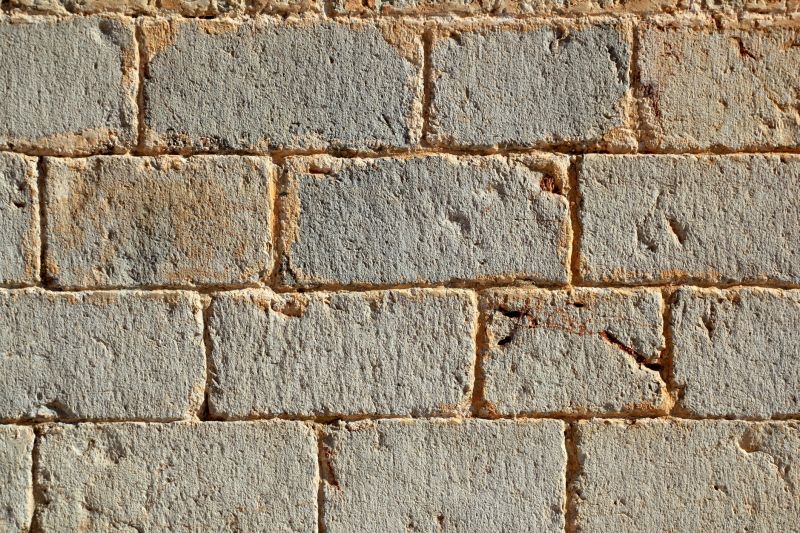
- Natural Stone Masonry - when designing aesthetic features like retaining walls or decorative facades, local pros can expertly work with natural stones such as limestone or sandstone.
- Brick Veneer Installation - for adding a stylish exterior layer to buildings, local contractors can install brick veneer using common materials that enhance curb appeal.
- Thin Brick Masonry - this lightweight option is suitable for interior or exterior cladding, with service providers familiar with its installation techniques and material handling.
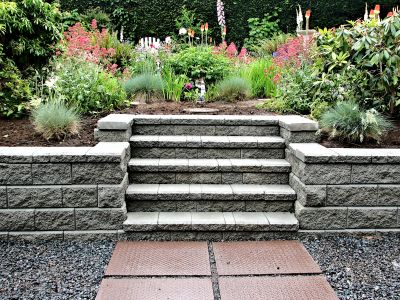
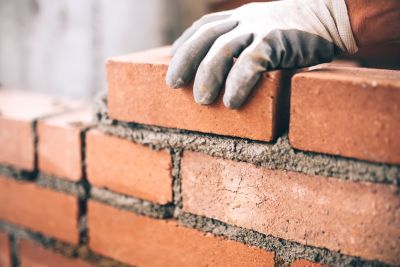
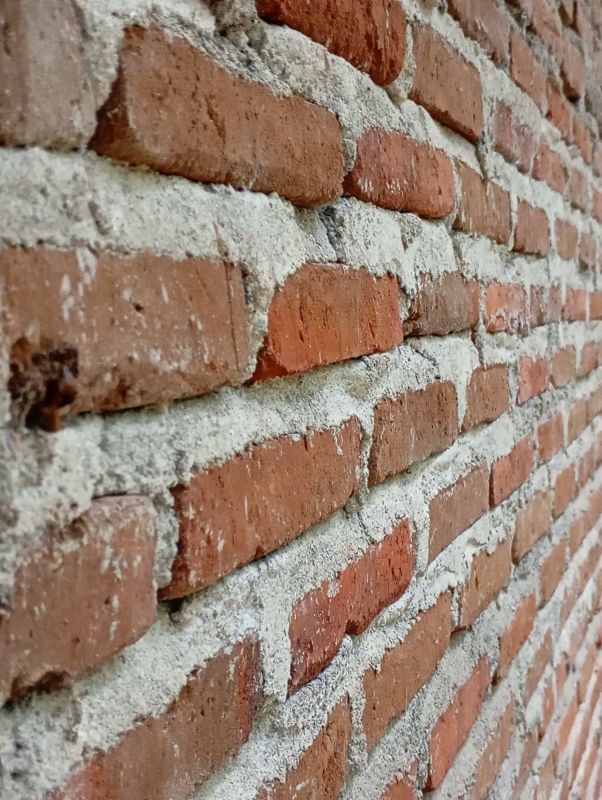
When people search for common materials used in masonry installation projects, they are often trying to understand the types of substances that form the foundation of structures like walls, patios, or fireplaces. Homeowners planning a masonry project might want to know which materials are most durable, aesthetically pleasing, or suitable for specific applications. This knowledge helps in making informed decisions about the overall look and longevity of their project. Understanding these materials also assists in communicating effectively with local contractors, ensuring that the right materials are chosen for the desired outcome and that the project aligns with their expectations.
Many masonry projects are connected to property improvements or repairs that require specific planning and material selection. For example, building a retaining wall or a garden pathway involves selecting materials that can withstand weather and ground pressure. Homeowners often face challenges related to choosing materials that match existing structures or fit within their landscape designs. Local service providers can offer guidance on the best options based on the property's unique conditions, helping to avoid common issues like cracking, shifting, or deterioration caused by unsuitable materials.
The types of properties that typically come up in discussions about masonry materials include residential homes, commercial buildings, and outdoor spaces like patios, walkways, or fire pits. Each property type has different requirements for durability, appearance, and maintenance. For instance, a homeowner might prioritize aesthetic appeal and choose decorative brick or stone, while a commercial property owner might focus on structural strength and longevity. Local contractors are familiar with these property types and can recommend the most appropriate materials to ensure the finished project meets both functional needs and visual preferences.
Understanding common materials used in masonry installation projects is essential for homeowners who want to achieve a durable and attractive result. Materials such as brick, natural stone, concrete blocks, and mortar are frequently used because they offer a combination of strength and visual appeal. Each material has its own characteristics, benefits, and limitations, which local pros can explain based on the specific project requirements. By working with experienced service providers, homeowners can select the right materials that suit their property’s style, climate, and intended use, ensuring the success of their masonry project from start to finish.
Bricklaying projects - These projects involve similar skills in handling masonry materials, mixing mortar, and precise placement, making them relevant for those interested in masonry installation services.
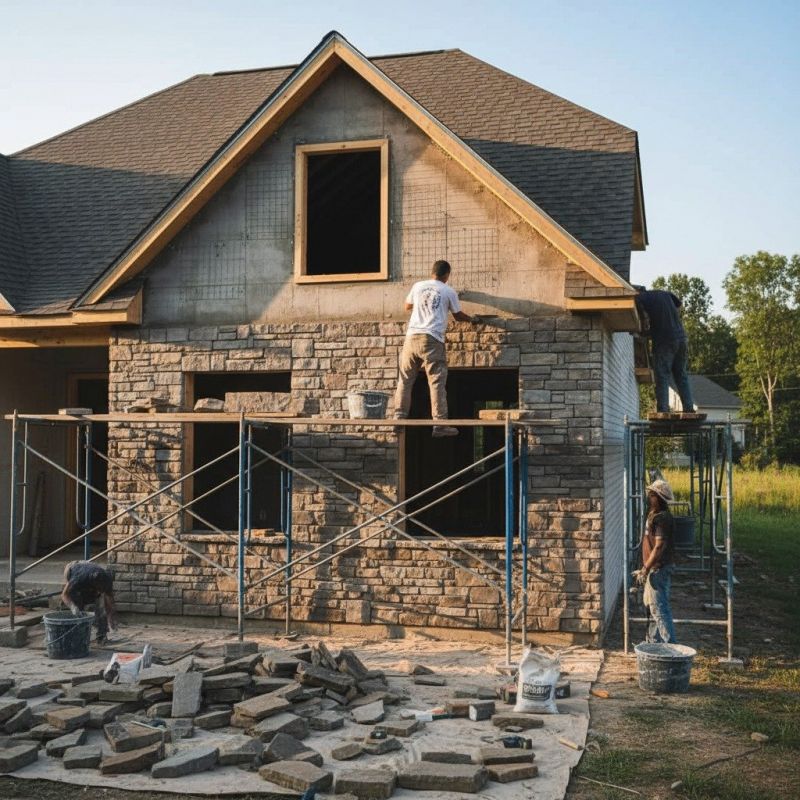
Stone veneer applications - Installing stone veneers requires knowledge of material selection and surface preparation, which aligns with expertise needed for masonry installation projects.
Concrete block construction - Building with concrete blocks shares techniques in mortar application and structural planning, connecting closely with masonry installation services.
Retaining wall construction - Erecting retaining walls involves similar planning, material handling, and masonry skills used in common masonry installation projects.
Paving and brick paving - These projects require laying materials with precision and understanding of foundation work, paralleling skills used in masonry installation work.
Fireplace and chimney building - Constructing fireplaces and chimneys involves working with masonry materials and mortar, making it related to common masonry installation services.
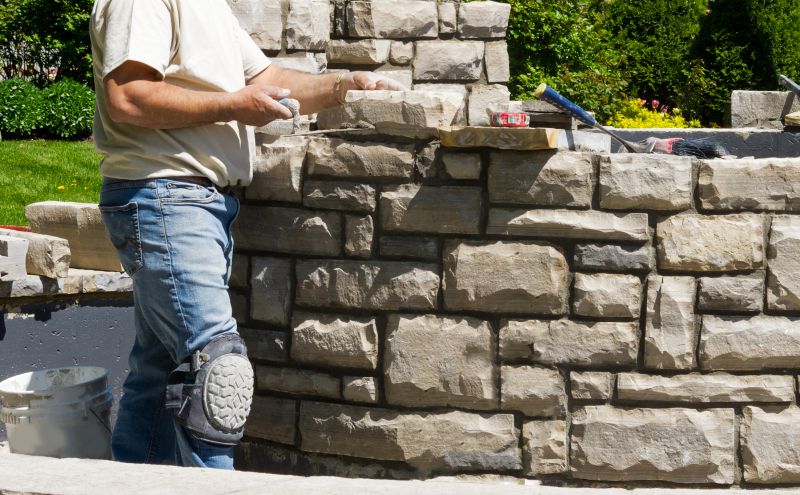
When comparing masonry installation services, it’s important to consider the experience of local contractors with projects similar to what is needed. Homeowners should inquire about the types of materials used in previous work and whether the service provider has a history of successfully installing common masonry materials such as brick, concrete block, or natural stone. An experienced contractor will be familiar with the unique challenges and best practices associated with different materials, helping to ensure the durability and appearance of the finished project.
Clear, written expectations are essential when evaluating potential service providers. Homeowners should seek detailed descriptions of the scope of work, including the specific materials to be used and the methods for installation. This clarity helps prevent misunderstandings and provides a basis for comparing proposals. Reputable local contractors will typically offer transparent communication about their process and materials, making it easier to assess their approach and ensure alignment with project goals.
Reputable references and effective communication are key factors when choosing a masonry installer. Homeowners are encouraged to ask for references from past clients who have had similar materials installed. Speaking with previous customers can provide insights into the contractor’s reliability, craftsmanship, and how well they communicated throughout the project. Good communication from the start-such as timely responses to questions and clear explanations of material choices-can make the entire process smoother and help ensure that the project meets expectations from beginning to end.
Property owners often search for common materials used in masonry installation projects when they are planning practical projects around their homes and businesses. Local pros provide Masonry Installation services for everyday jobs and straightforward project options.
Understanding the common materials used in masonry installation projects helps property owners make informed decisions about their upcoming upgrades or repairs. Whether building a new patio, restoring a brick wall, or adding a retaining structure, knowing which materials are typically involved can clarify what to expect during the process. Local contractors experienced in masonry can guide property owners through the selection of suitable materials, ensuring that the finished work aligns with both aesthetic preferences and durability needs.
Property owners often seek out masonry services when considering enhancements to their outdoor spaces or structural elements. Common materials like brick, concrete blocks, natural stone, and mortar are frequently used in these projects due to their strength and versatility. Consulting with local service providers who specialize in masonry installation can help determine the best materials for specific applications, ensuring the project’s longevity and appearance meet expectations.
What are the most common materials used in masonry installation projects? Typical materials include brick, concrete blocks, natural stone, and mortar, which are used to create durable and aesthetically pleasing structures.
Why is mortar an important material in masonry work? Mortar acts as the binding agent that holds masonry units like bricks and stones together, providing stability and strength to the structure.
Are there different types of bricks used in masonry installation? Yes, common types include clay bricks, concrete bricks, and fire bricks, each suited for specific applications based on their properties and appearance.
What role does concrete play in masonry projects? Concrete is often used for foundations, walls, and decorative elements due to its versatility, strength, and ability to be molded into various shapes.
Can natural stone be used in all types of masonry installation? Natural stone is popular for its aesthetic appeal and durability, but its suitability depends on the project requirements and the expertise of local contractors familiar with working with stone materials.
Brick and concrete blocks - These durable materials are ideal for constructing walls, patios, and outdoor features with the help of local contractors experienced in masonry installation.
Mortar mixes - Selecting the right mortar ensures strong adhesion and weather resistance for projects like chimney repairs or new bricklaying work performed by local pros.
Natural stone - Using natural stone can add aesthetic appeal to garden borders or walkways, with local masonry specialists providing expert installation.
Sand and gravel aggregates - These foundational materials support proper drainage and stability in various masonry projects, with local contractors ensuring proper application.
If you are thinking about common materials used in masonry installation projects for a property, this guide is meant to help you understand this topic, the typical project types, and how different options might fit your plans.
When you are ready, you can use the quote form on this page to share a few details about your project. From there, local pros can review the basics and follow up with options that match what you have in mind.